
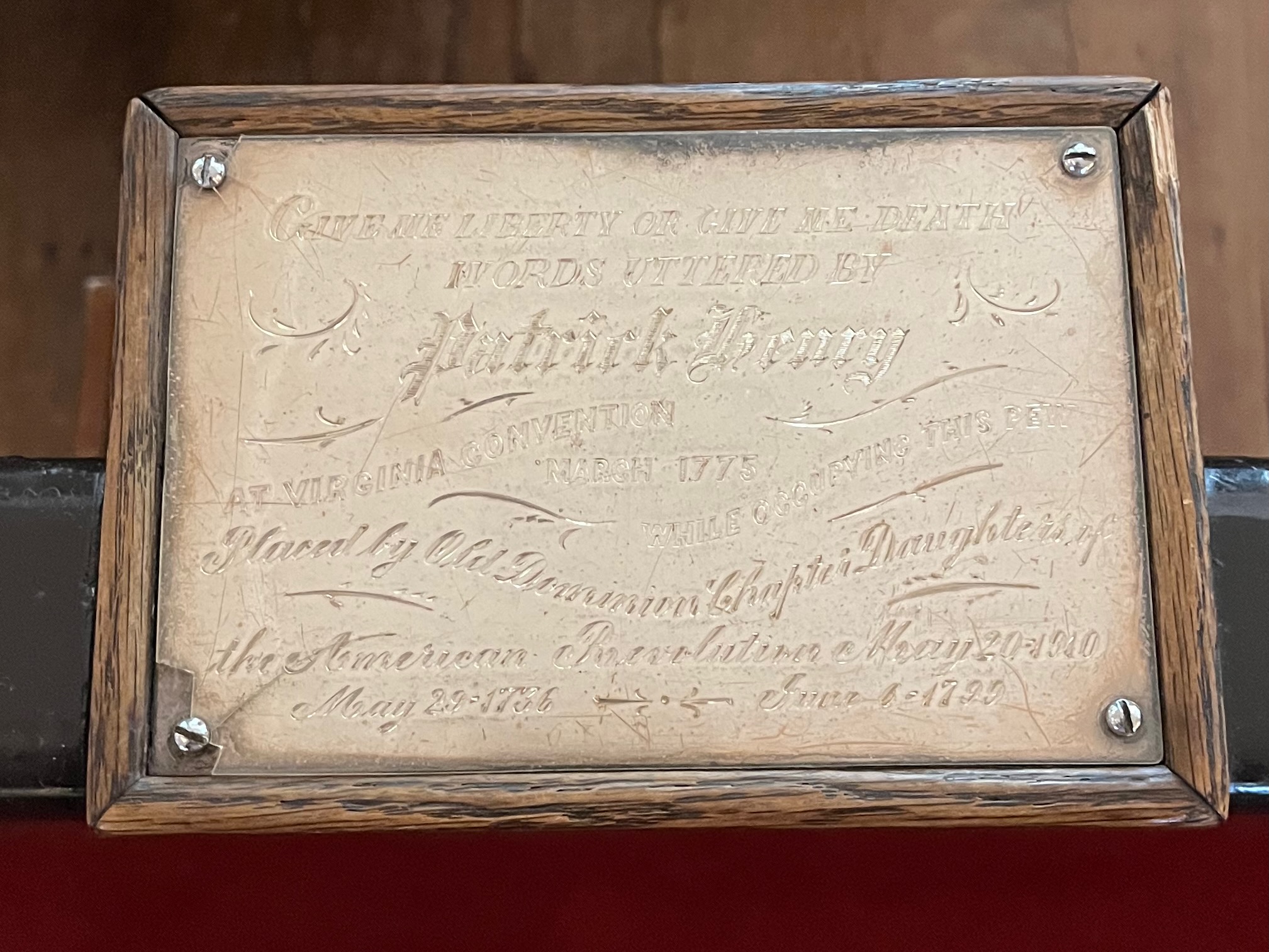
“Is life so dear, or peace so sweet, as to be purchased at the price of chains and slavery? Forbid it, Almighty God! I know not what course others may take; but as for me, give me liberty or give me death!”
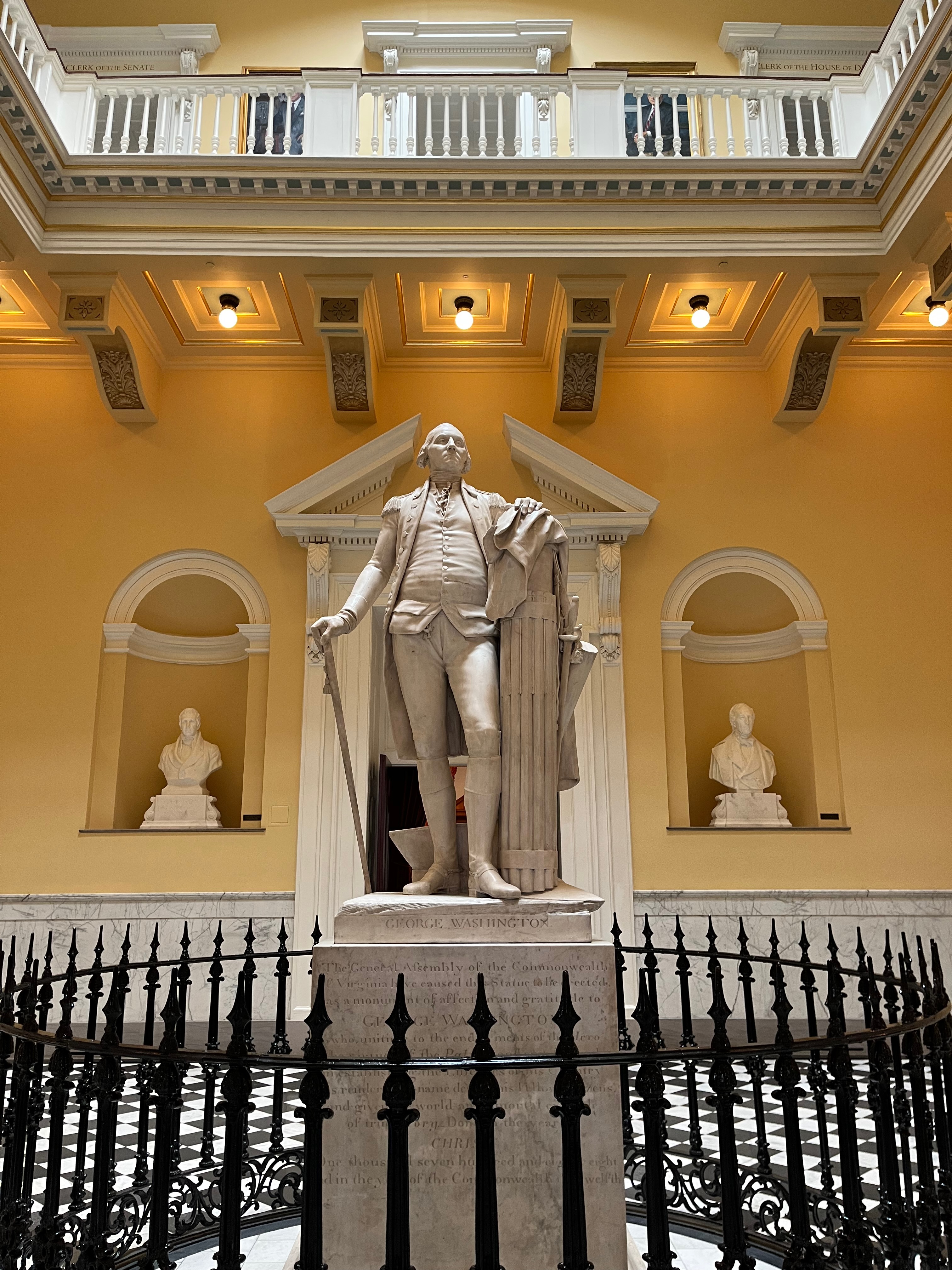
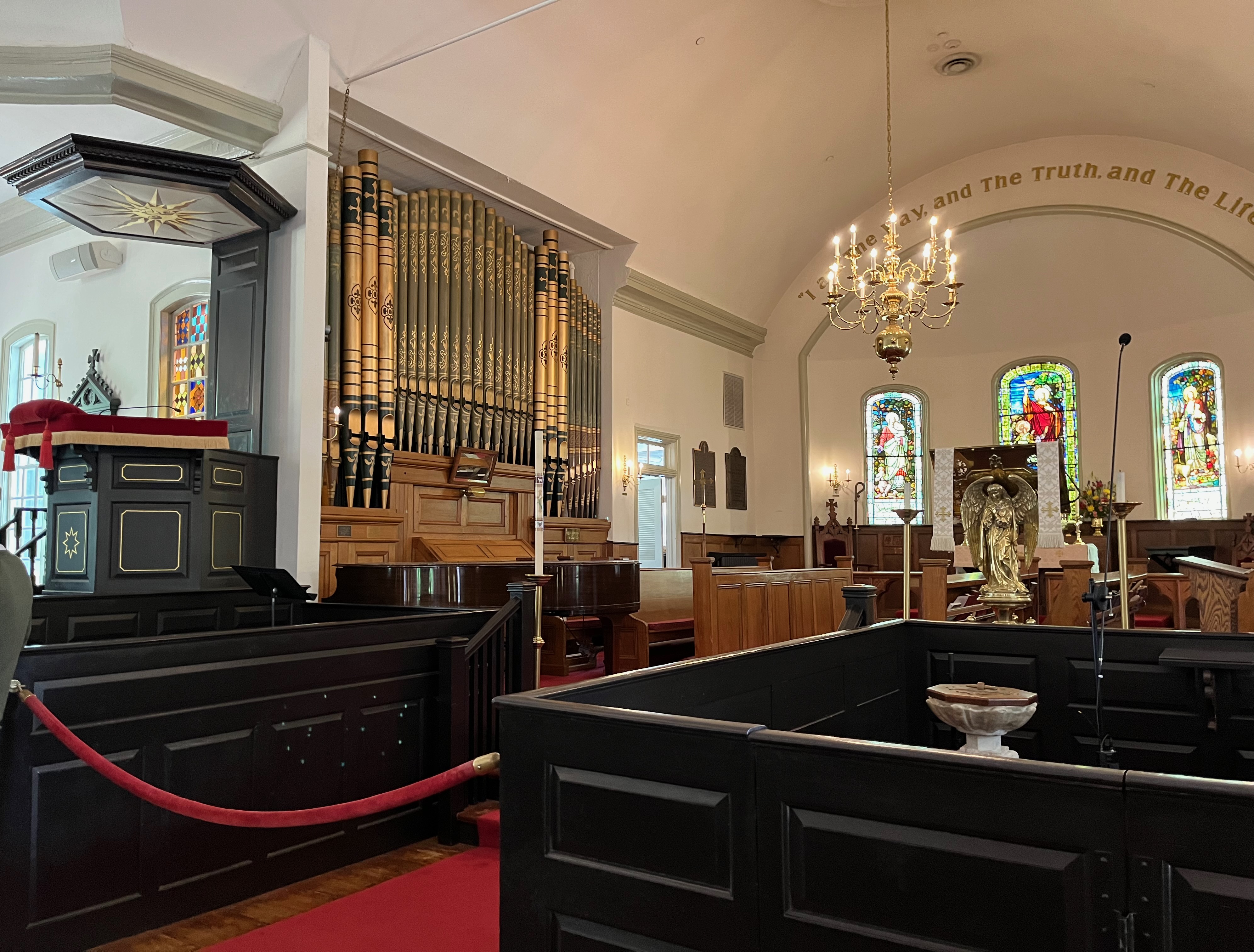
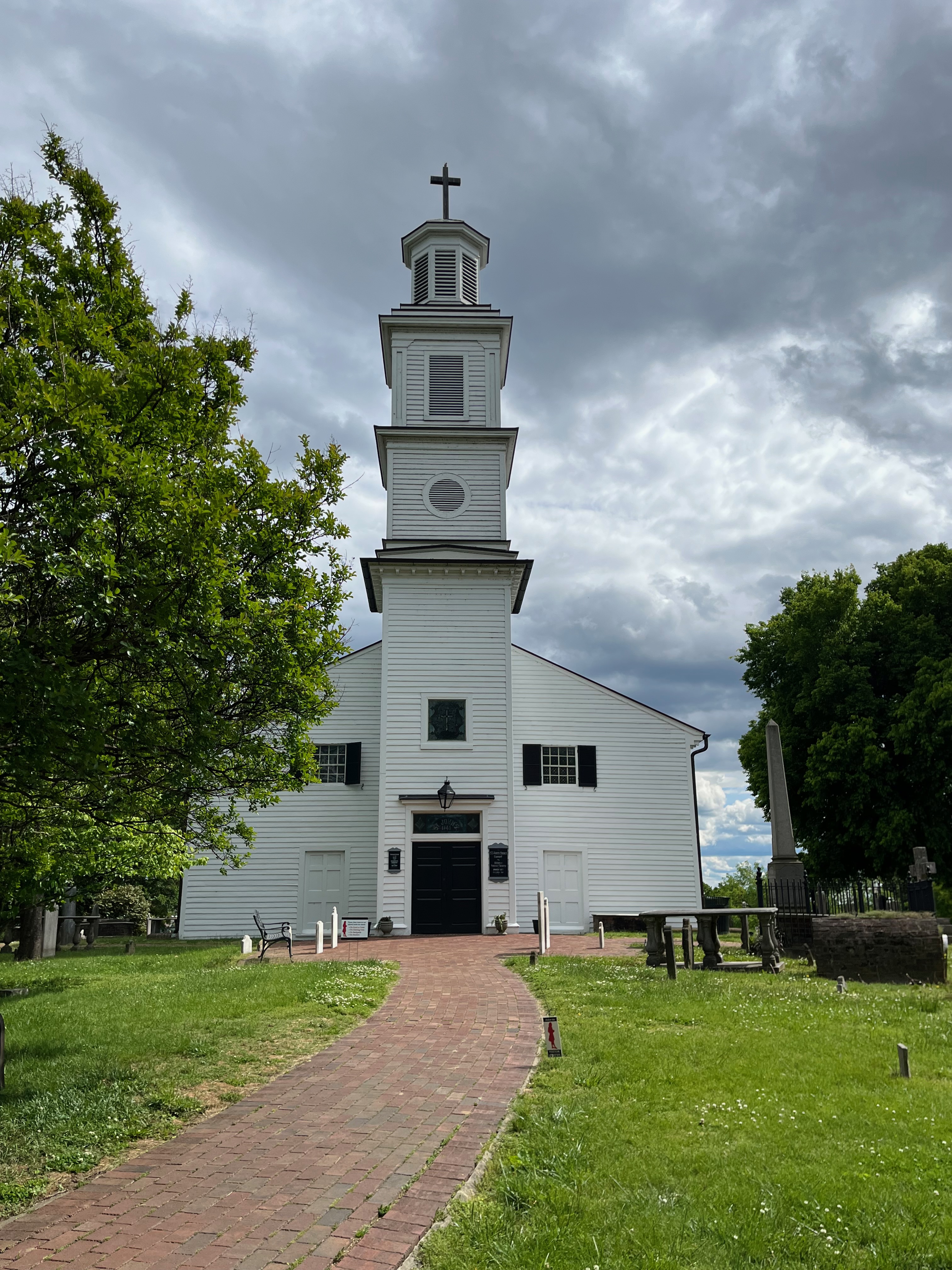
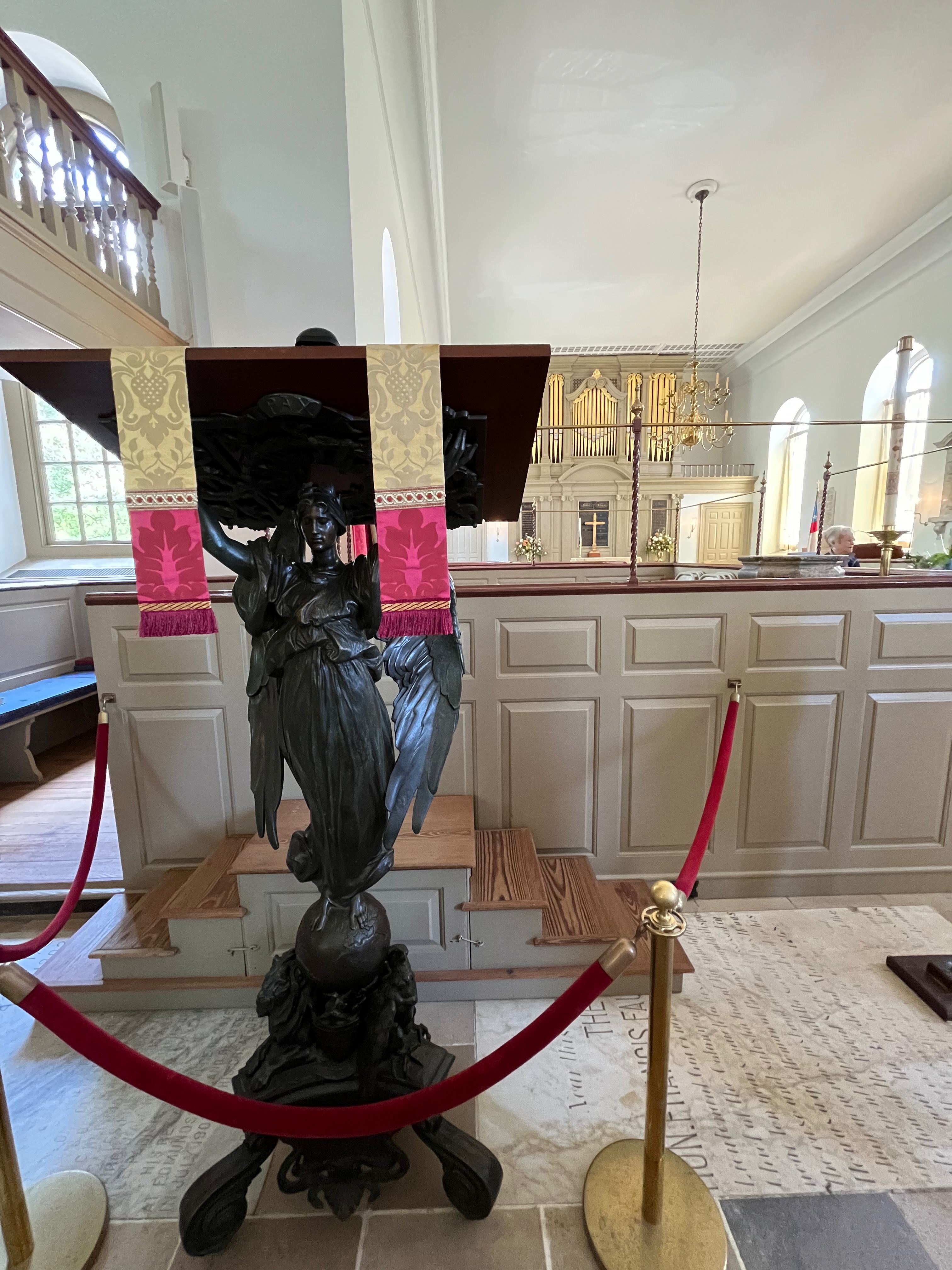
The famous quote by Patrick Henry reverberated in our minds as my friend Kelly and I stood in St. John’s Church in Richmond, Virginia. Henry proclaimed those famous words on March 23, 1775, during the Second Virginia Convention. His quote is one we have all learned in our American history classes, but just vocalizing that statement could have cost him his life.
After a few hours in Richmond that May afternoon, we hopped in our rental car and drove fifty miles slightly southeast to Colonial Williamsburg, where we would immerse ourselves in colonial history for the next three days. (It’s good to have a friend who loves historical things as much as you).
Stepping Back In Time
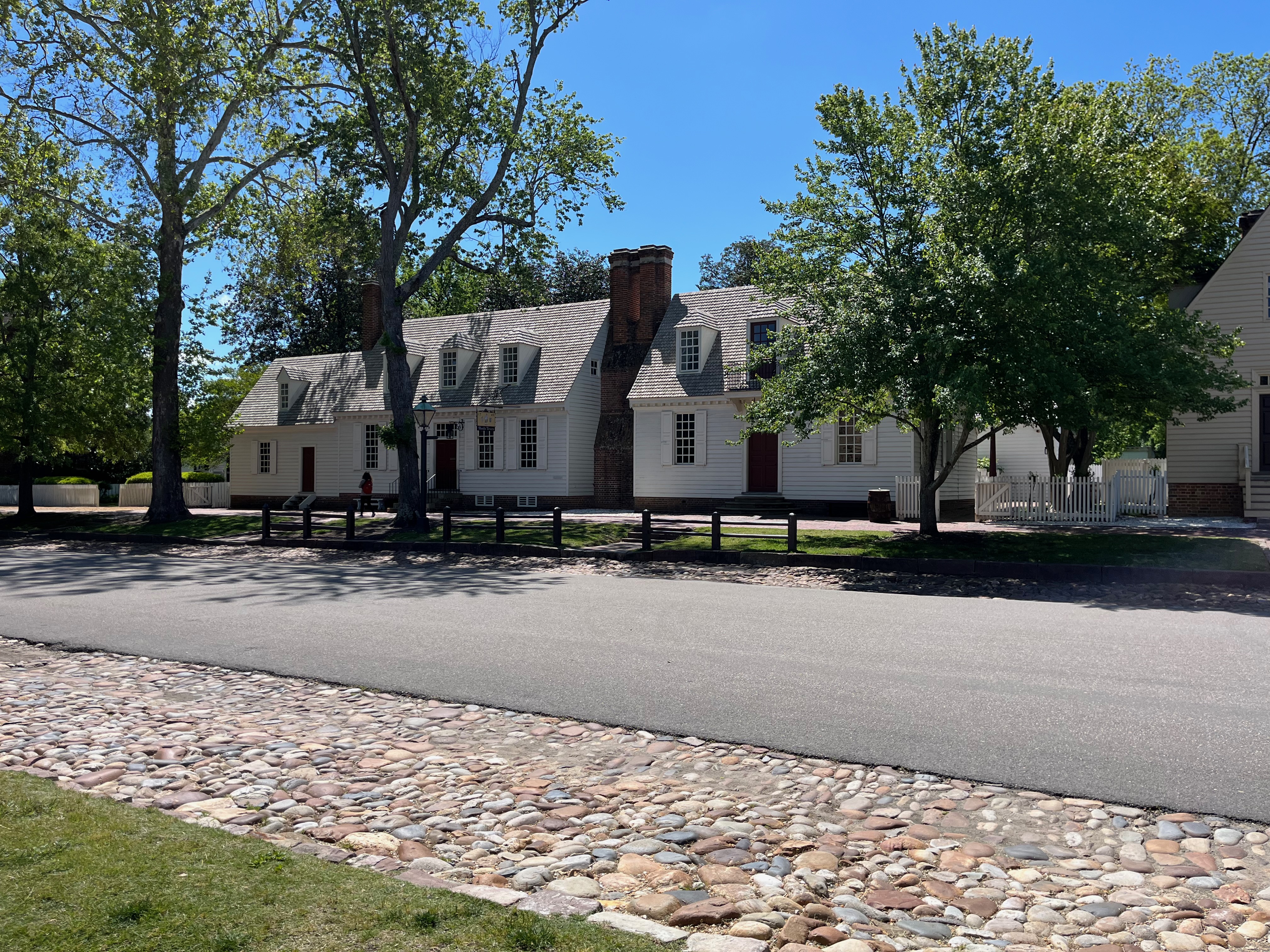
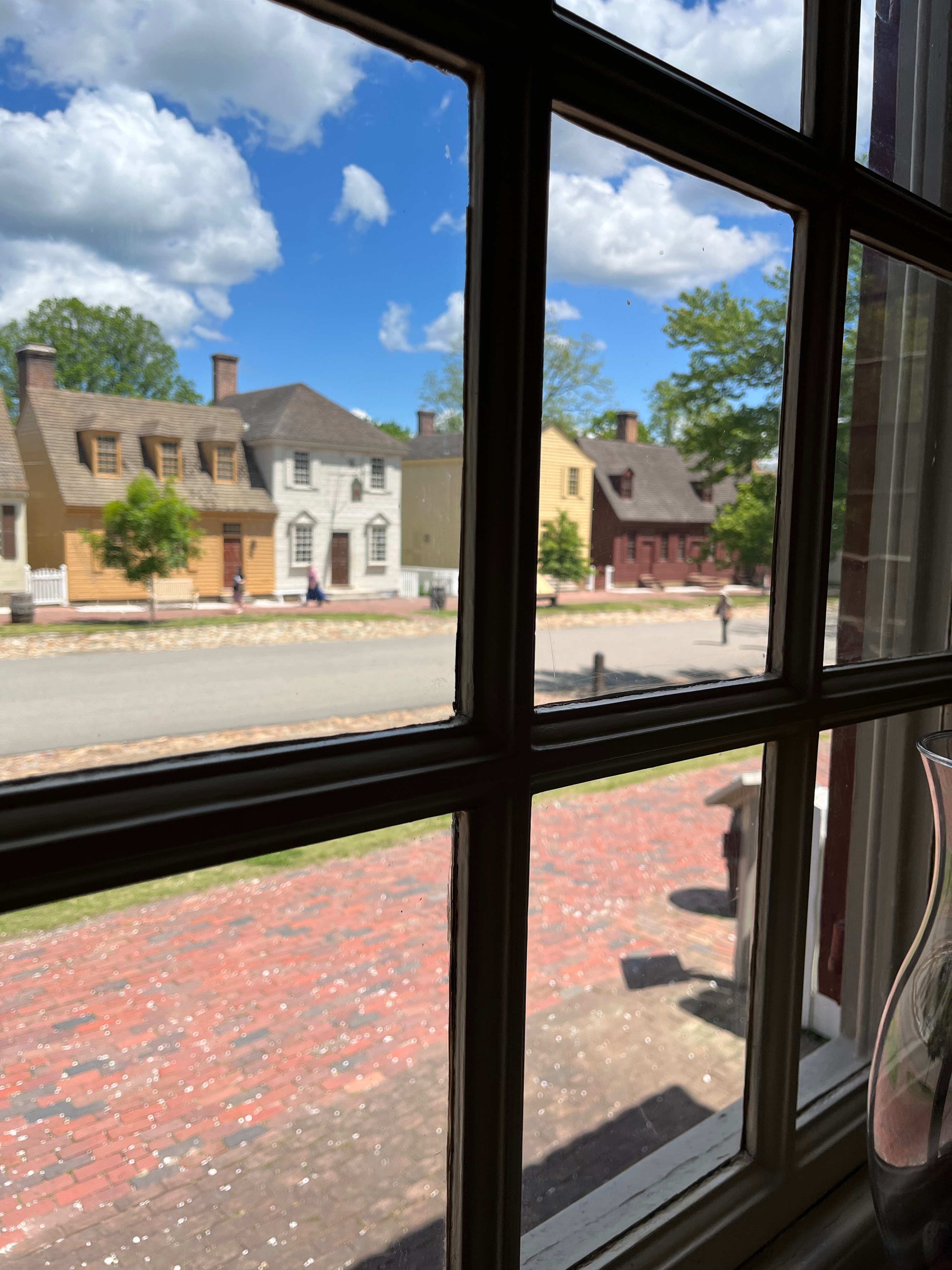
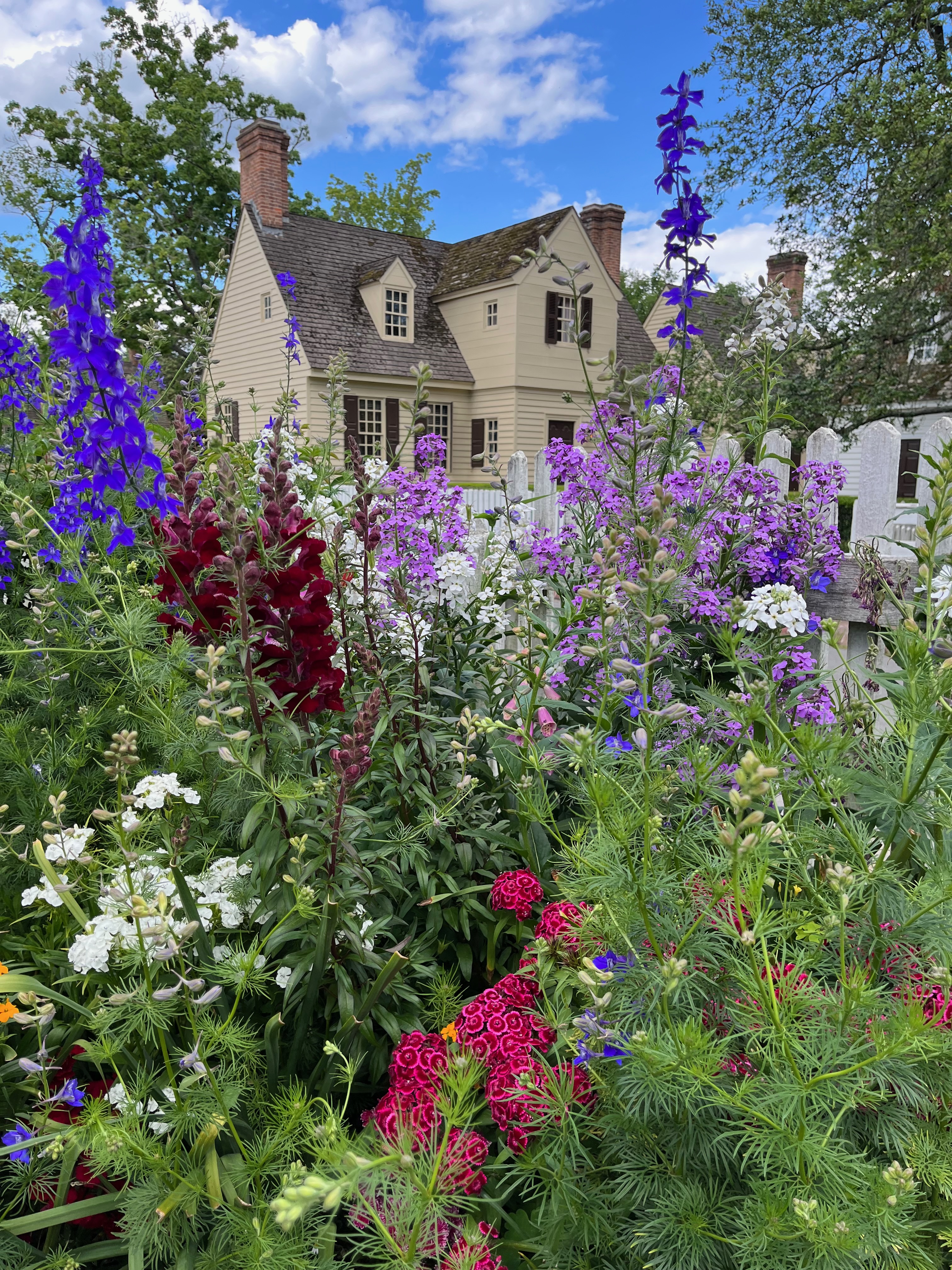
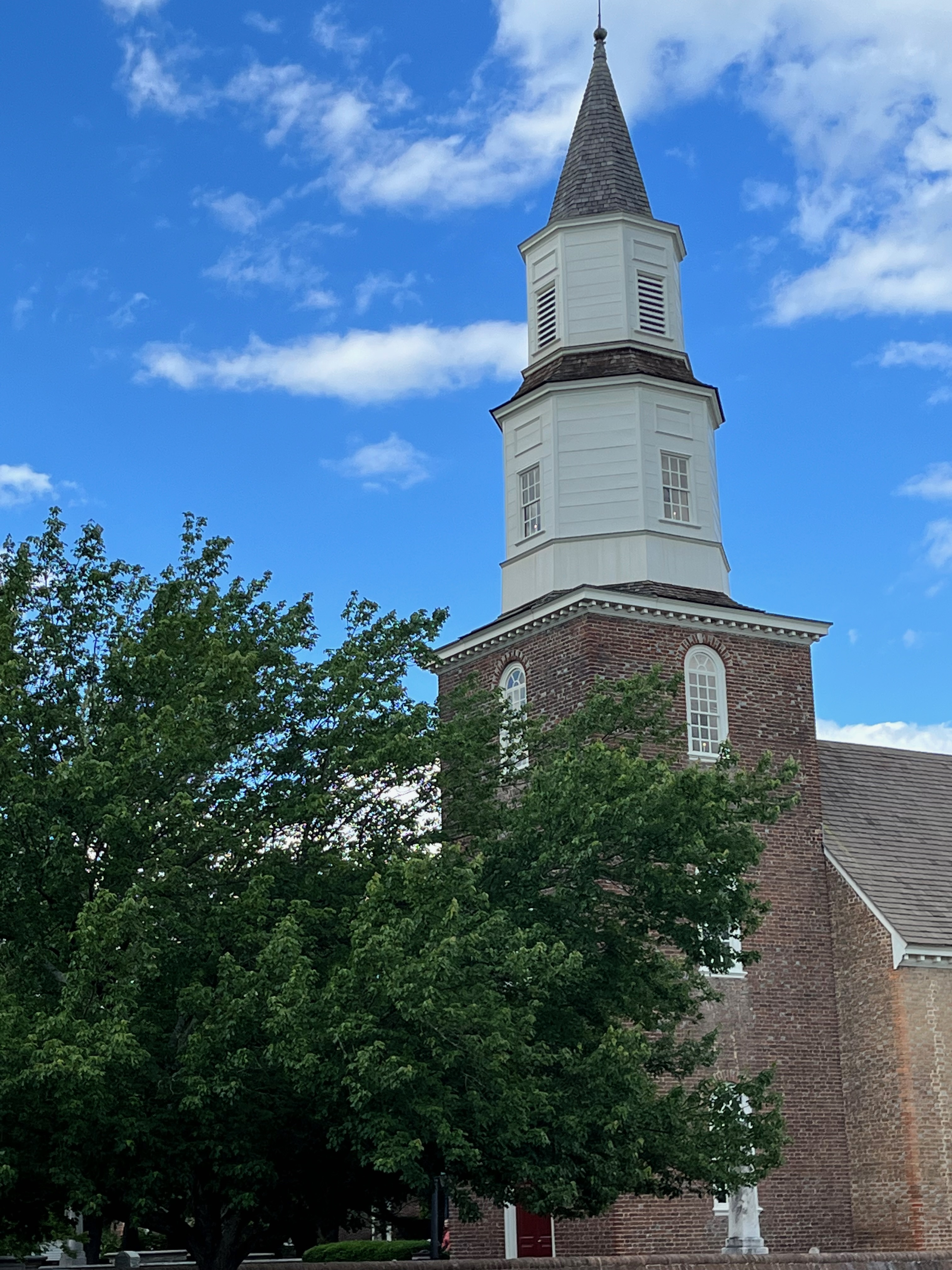
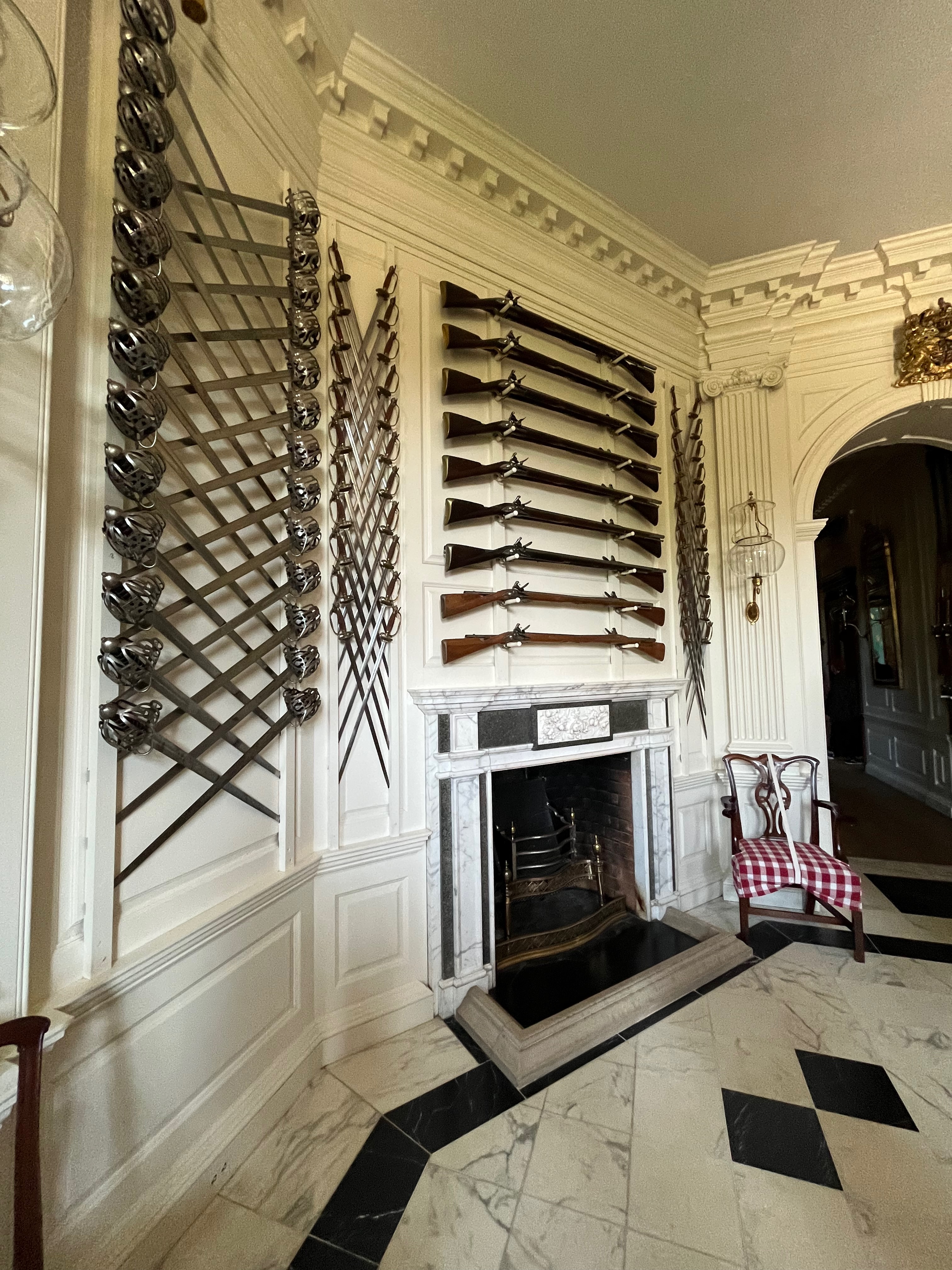
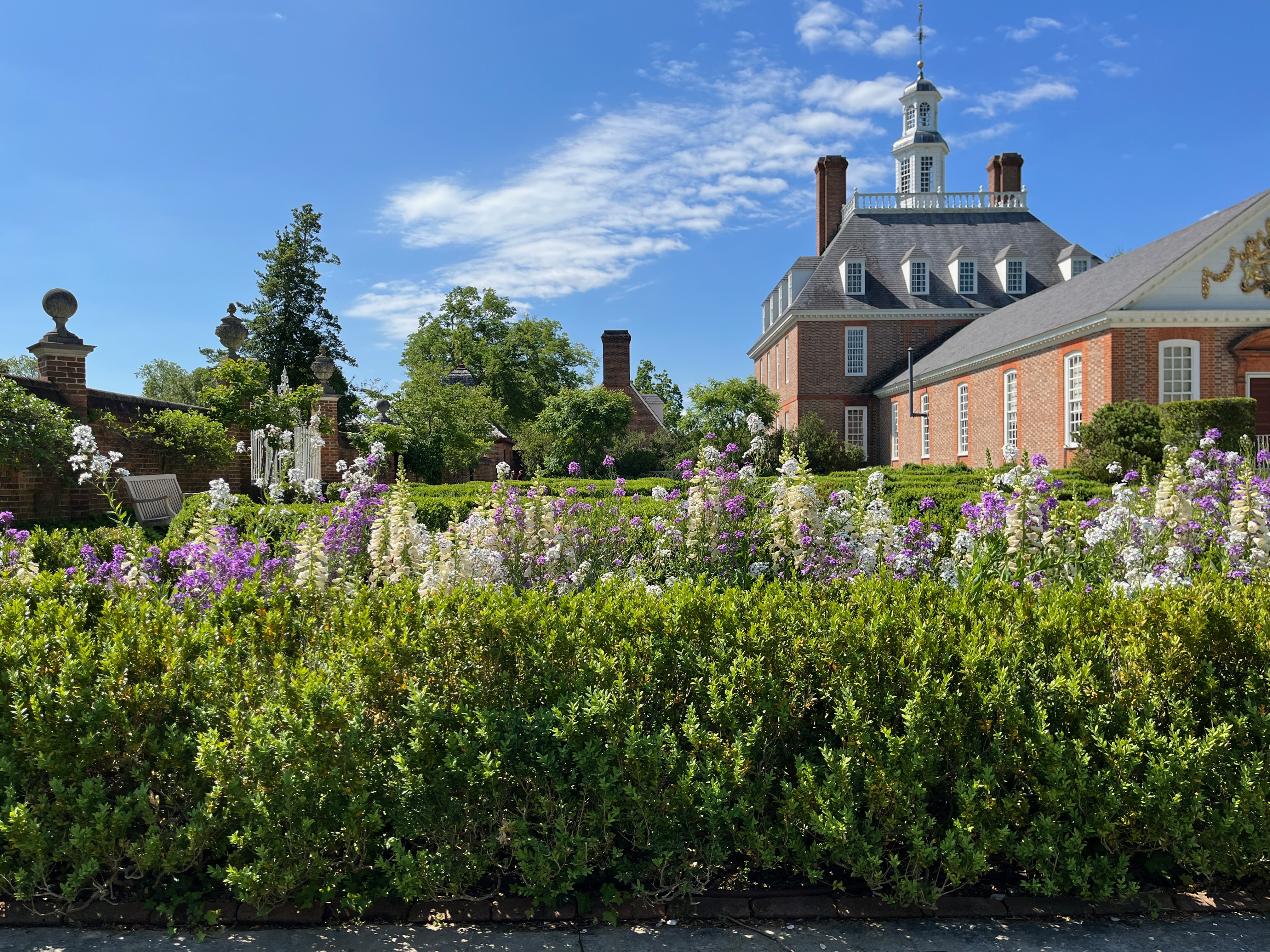
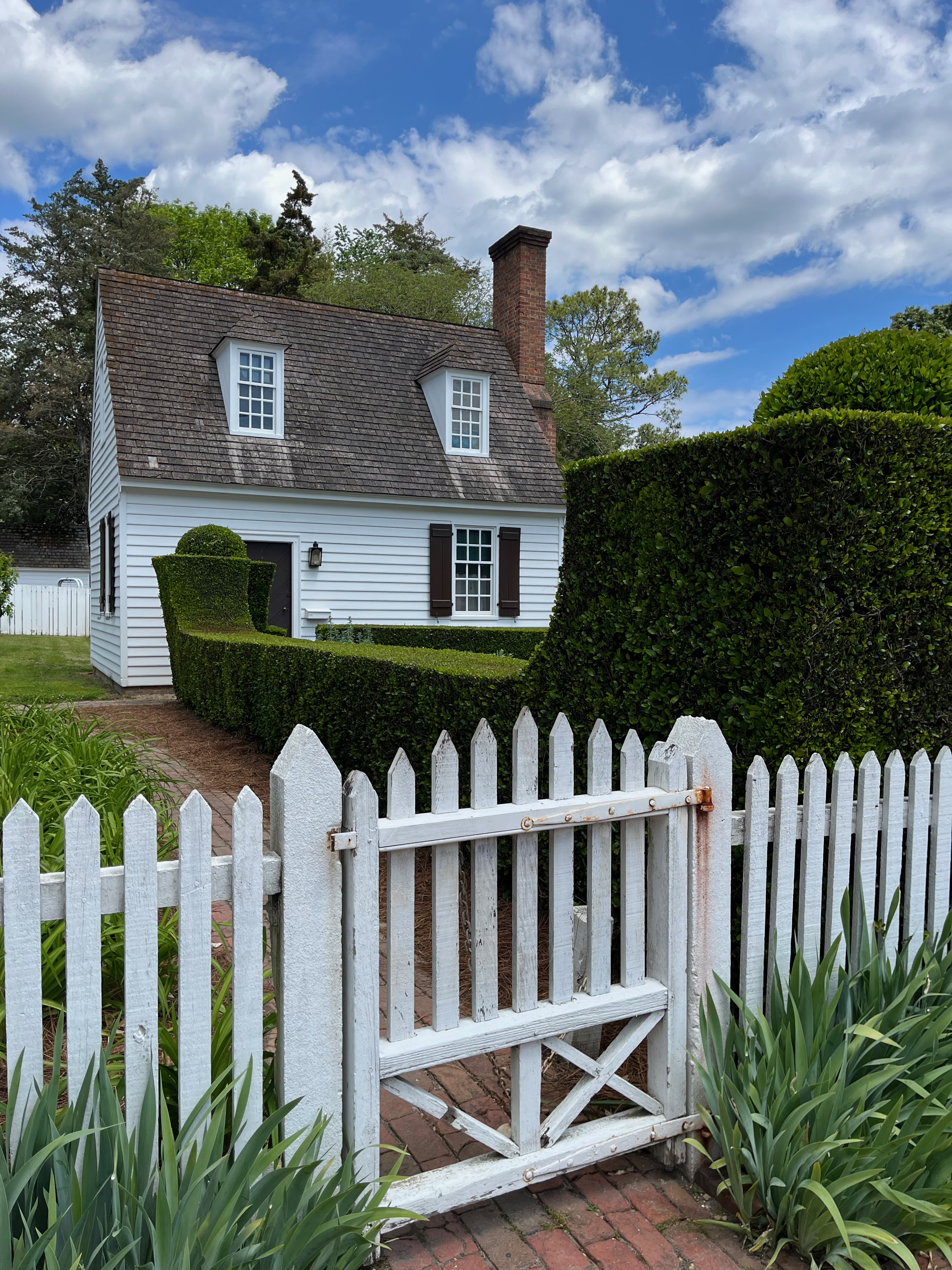
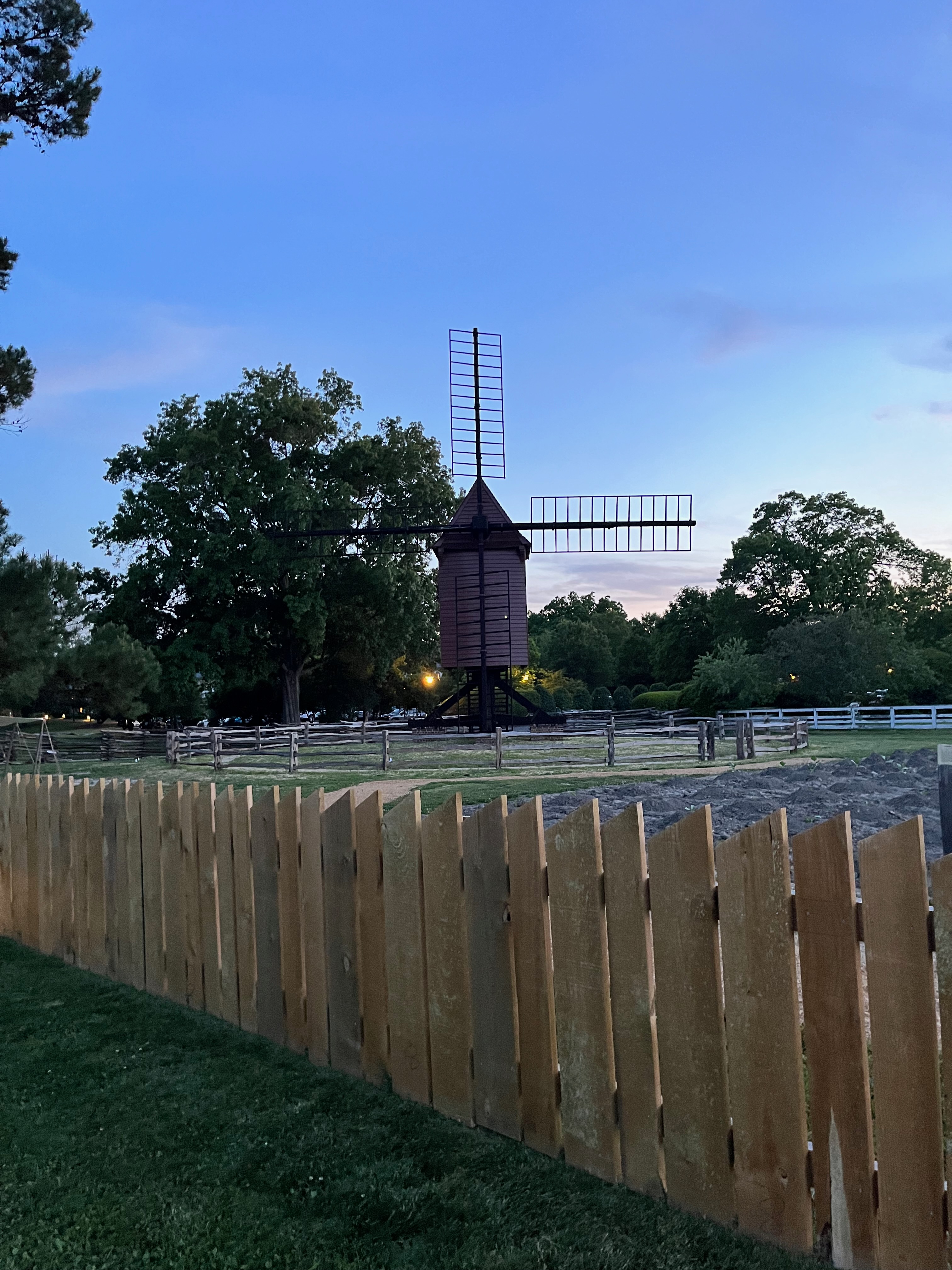
Colonial Williamsburg is a living-history museum that recreates life in Virginia’s colonial capital in the mid- to late 1700s. Extensive archeological research, preservation, and restoration began in the 1920s, after the rector of Bruton Parish Church envisioned preserving the history of colonial Williamsburg. He approached John D. Rockefeller Jr. with the idea, and Mr. Rockefeller agreed to fund it.
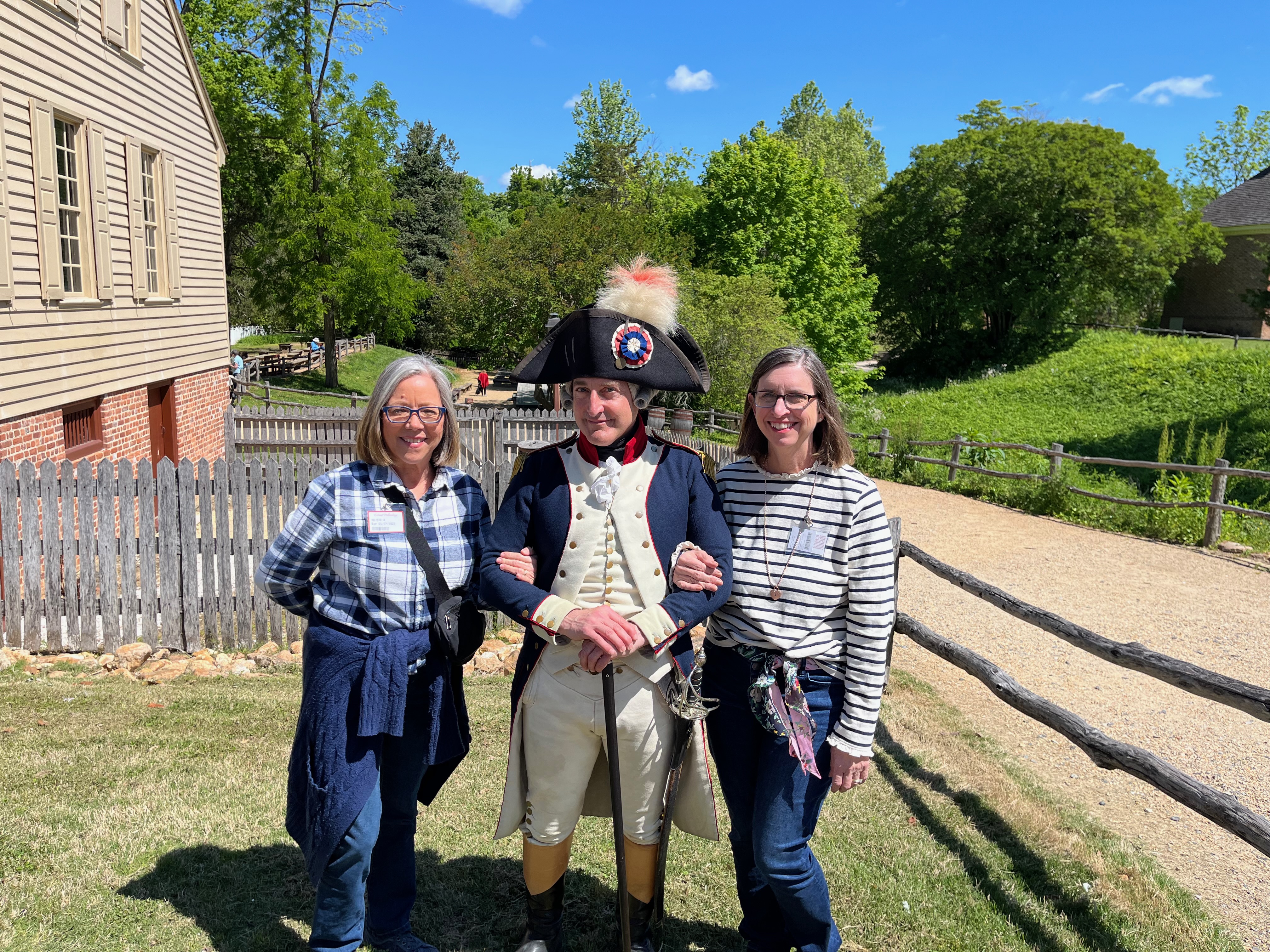
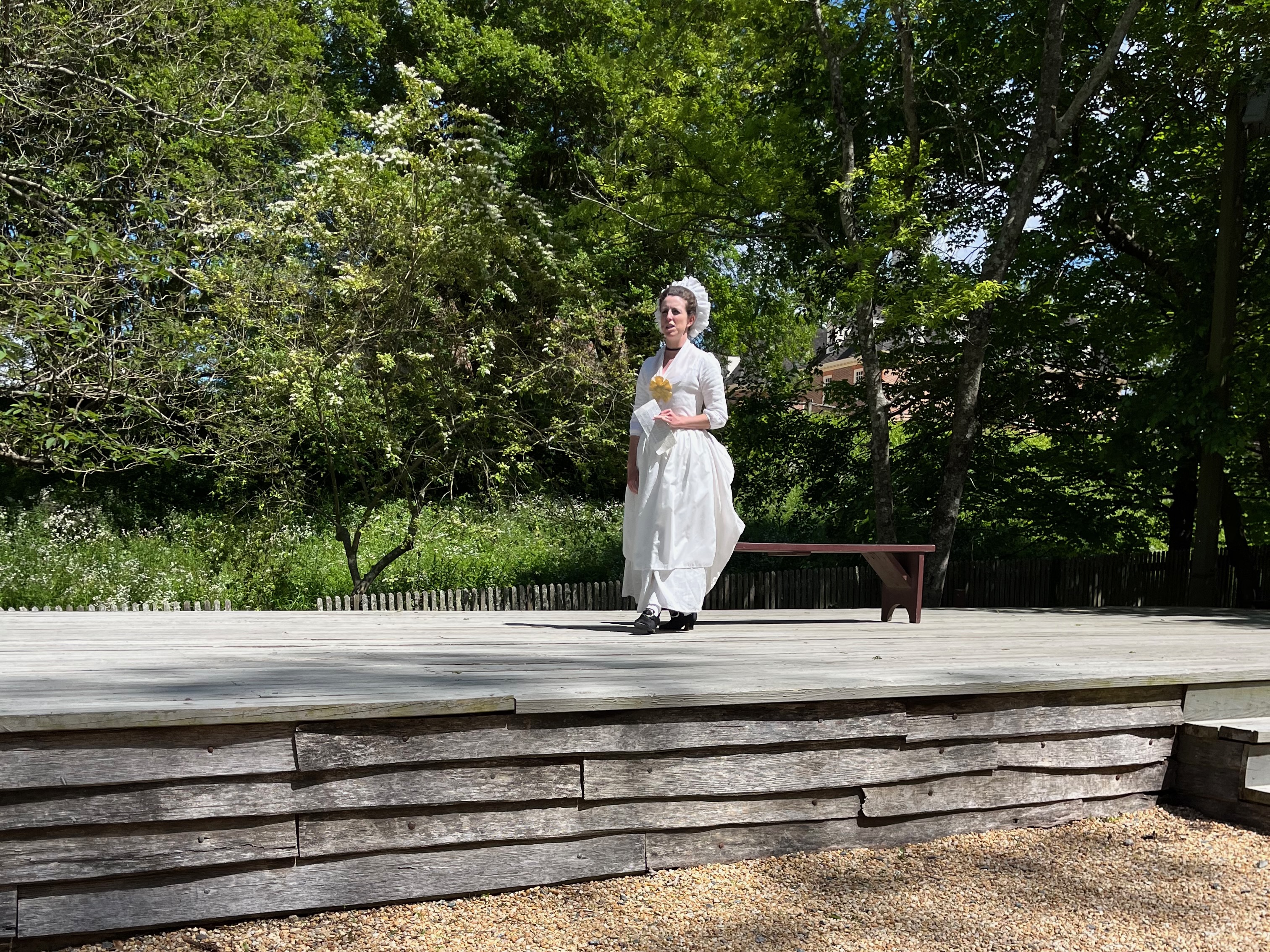
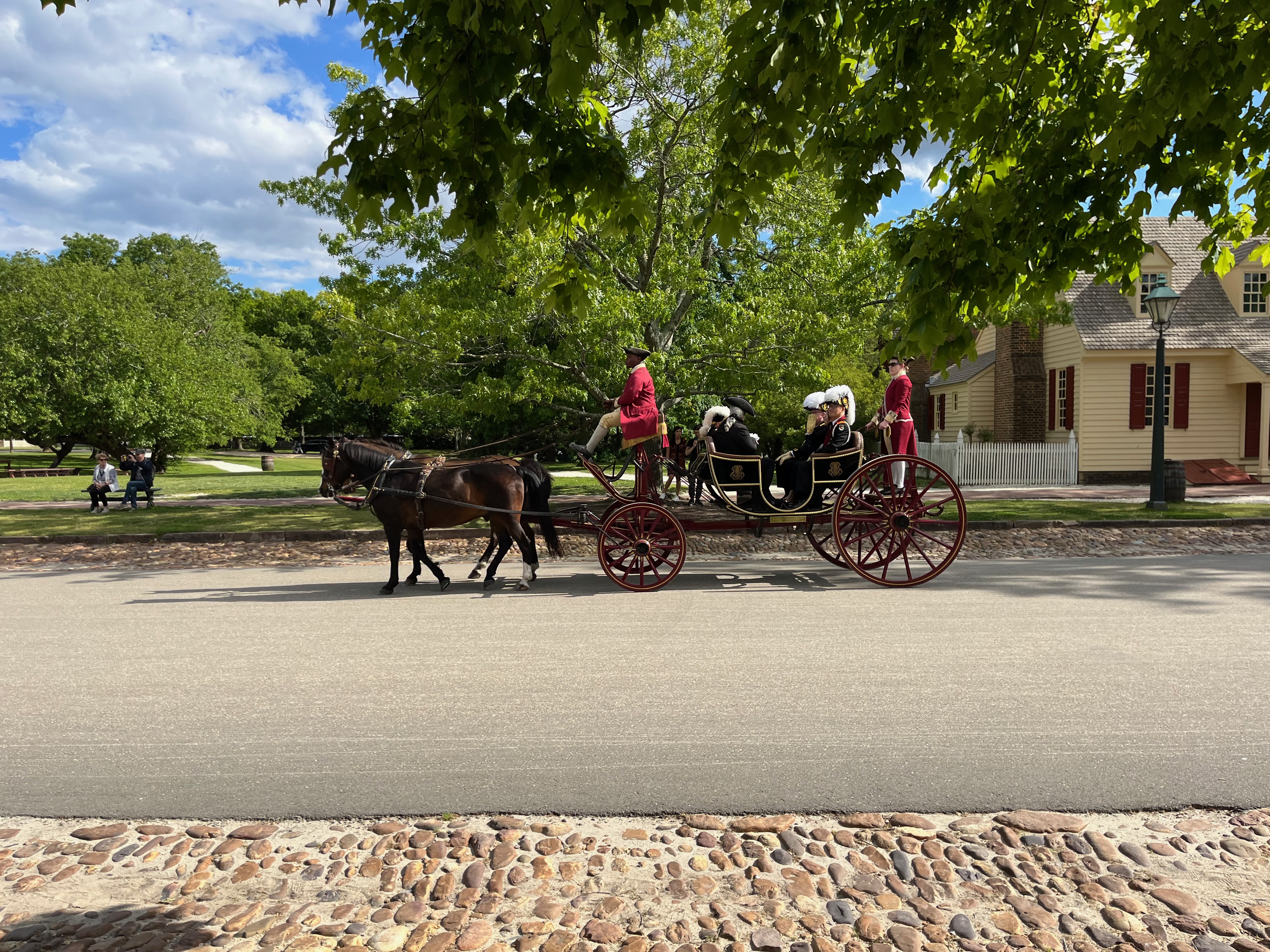
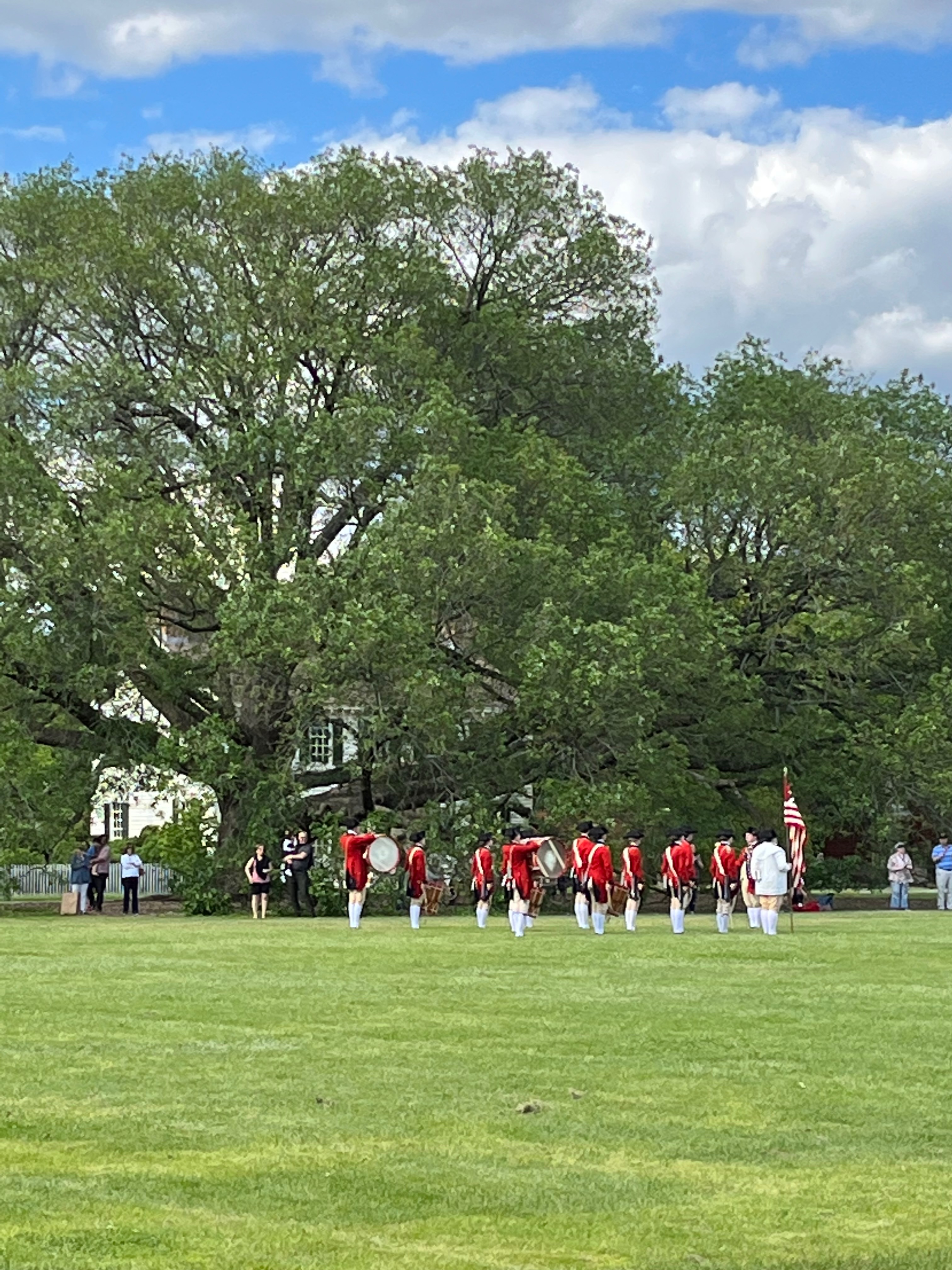
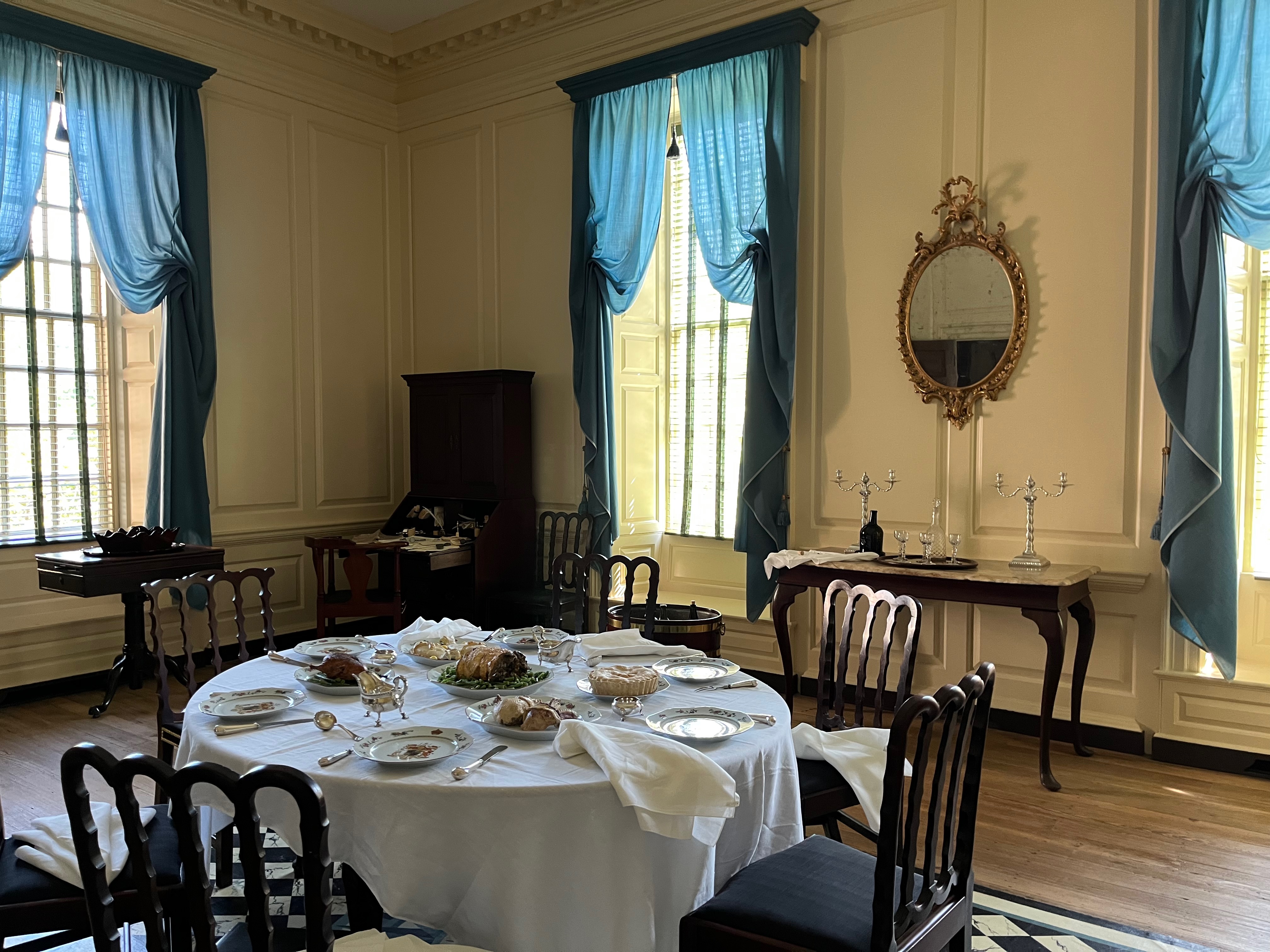
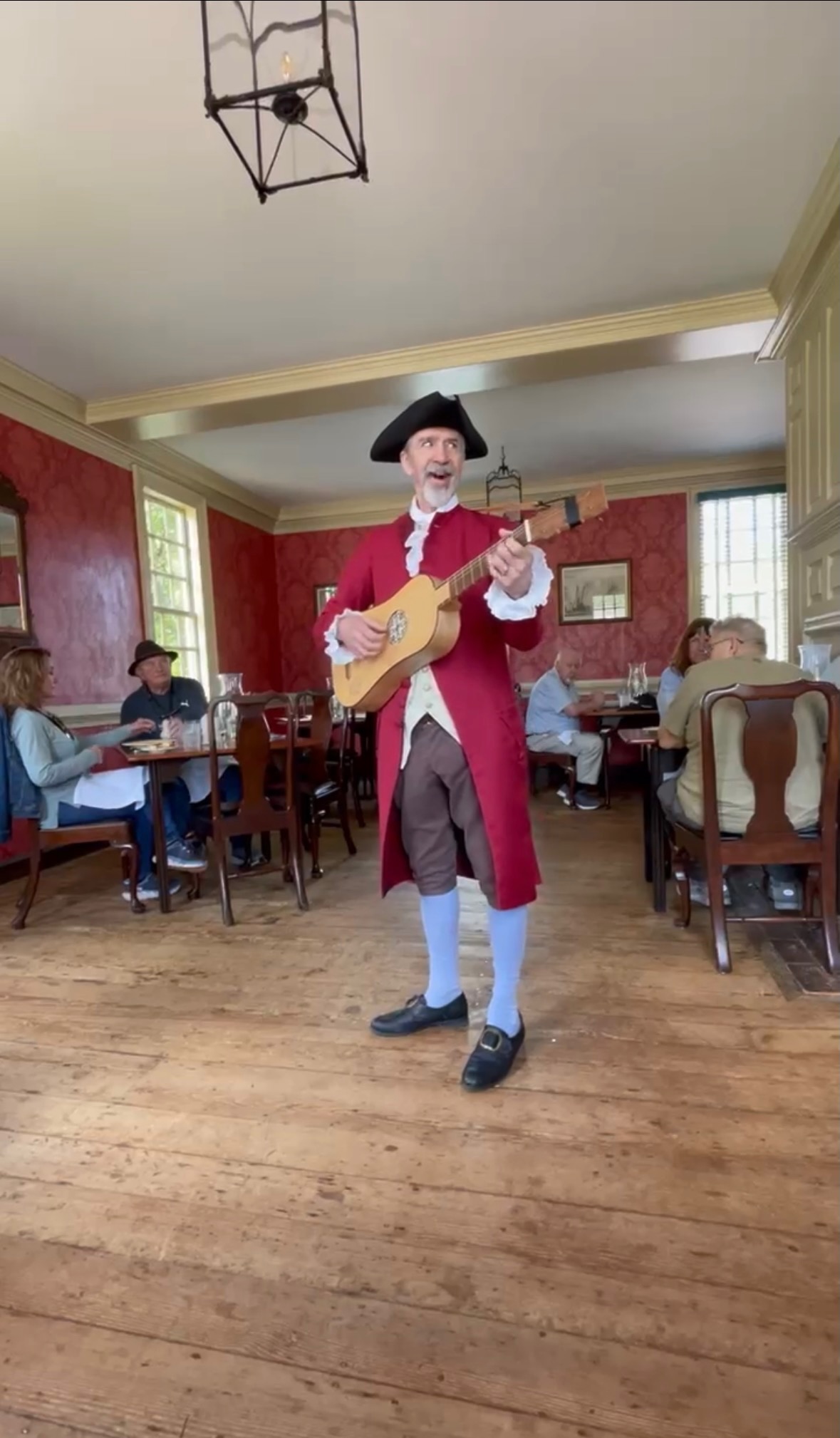
Eighty-nine buildings are original restorations. The rest are reconstructions, built to look as if they would have in the 18th century. Costumed interpreters fill the shops and walk the streets, explaining what life was like during that time period. As a side note, that’s my secret dream job. If only I had been brave enough to apply to the College of William and Mary.
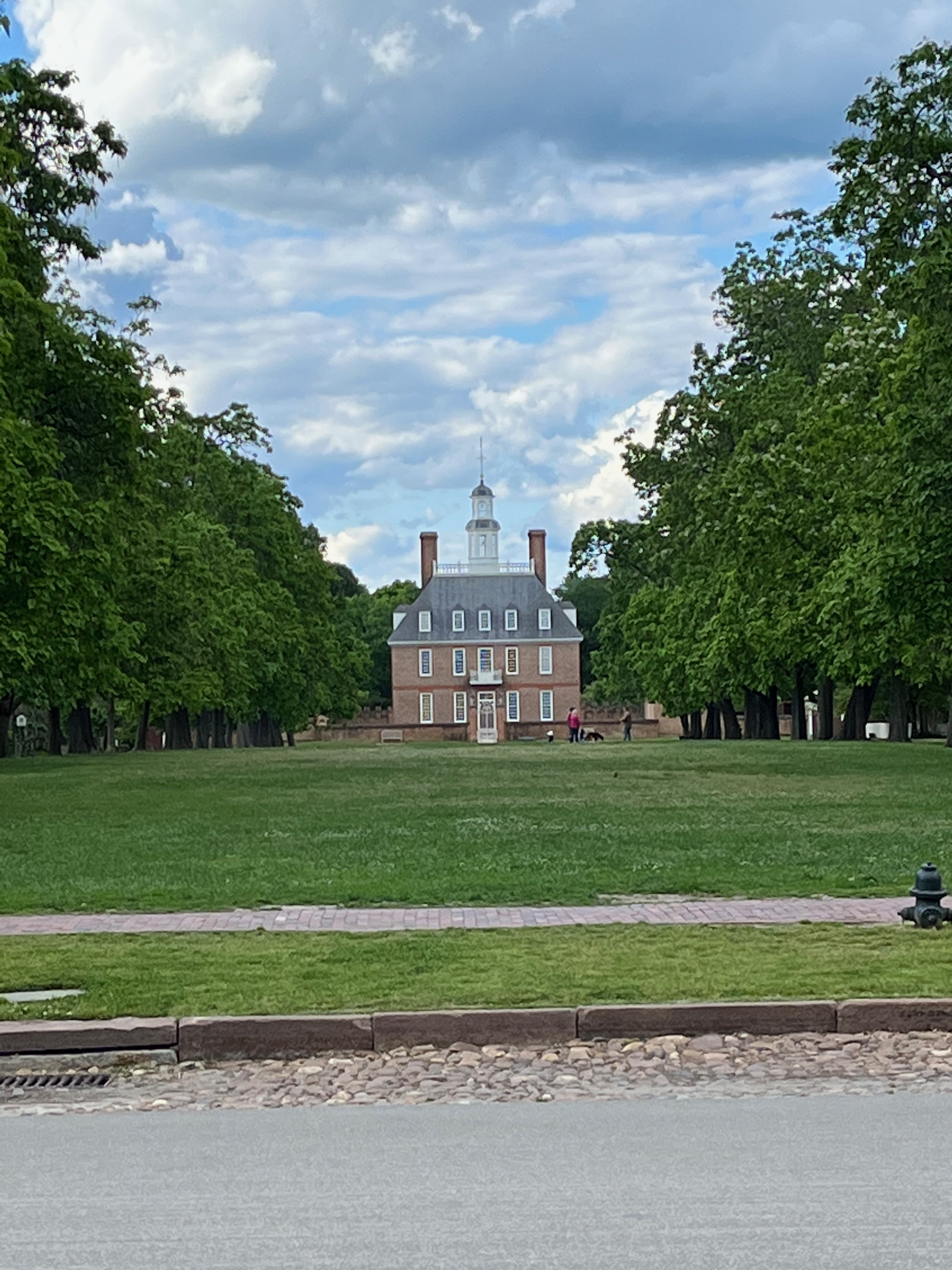
Williamsburg, the colonial capital of Virginia from 1699 to 1780, was a crowded, happening town when the Virginia General Assembly was in session. It was the political, educational, and social center of the Virginia Colony. Patriots and Loyalists both lived in Williamsburg. It was also a center of political upheaval.
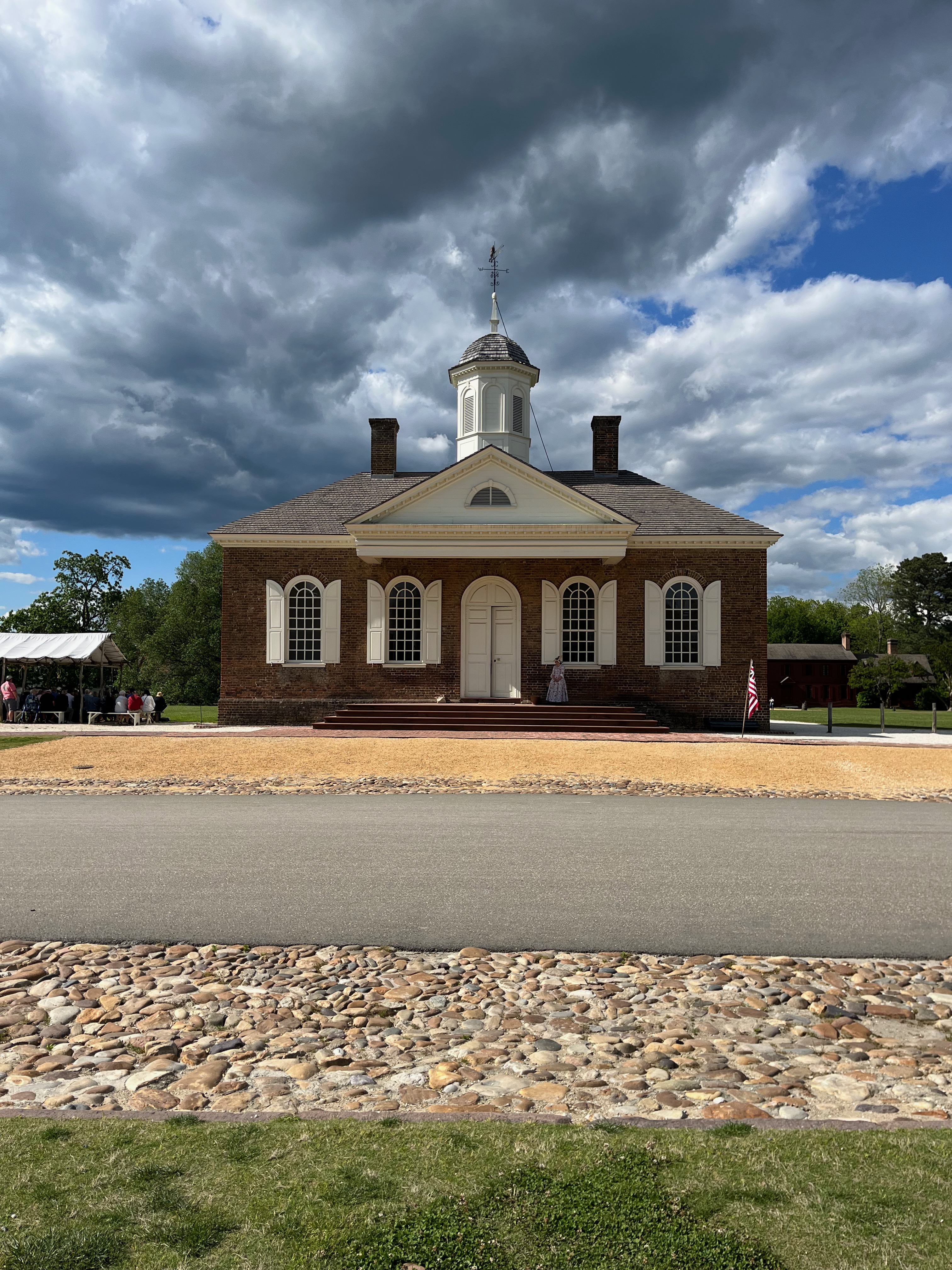
One of the most interesting buildings we visited was the Capitol Building, where the General Assembly met. It was like our legislative branch today in that it had two houses. The upper house, the Council, comprised gentlemen appointed by the royal governor. The lower house, the House of Burgesses, comprised colonial gentlemen elected by their peers. Early leaders like George Washington, Thomas Jefferson, and Patrick Henry were in the House of Burgesses.
Our interpreter shared with us the political events that led to the American Revolution as they related to the Virginia colony.
It’s Revolutionary
The thirteen original colonies acted independently of each other, but in the mid-1700s, the colonial leaders of Virginia noted what was happening in the colonies to the north. This solidarity ignited the spark of revolution.
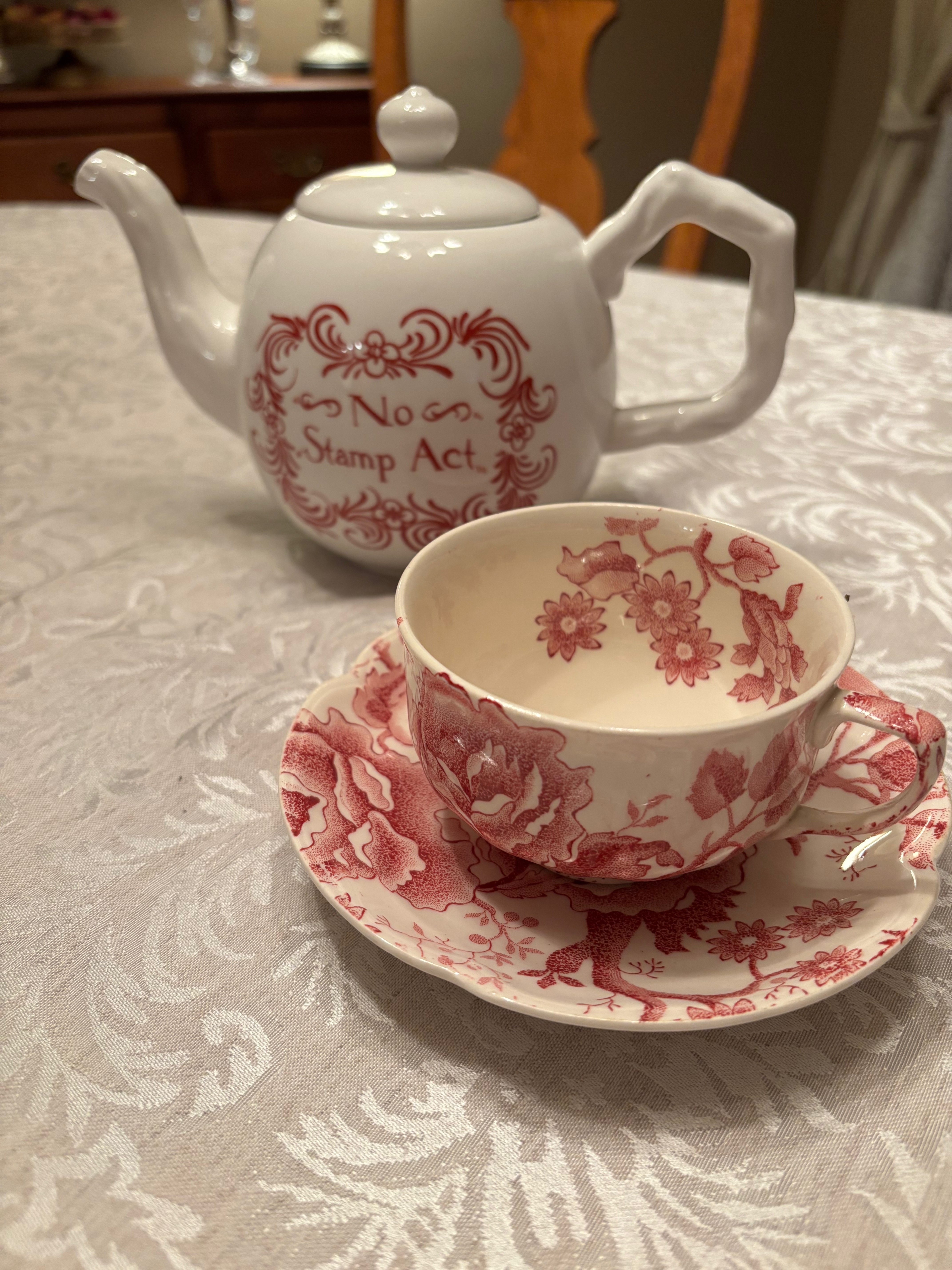
In 1665, England levied a tax on the colonies to help pay for the French and Indian War. Shortly after being sworn into the House of Burgesses, Patrick Henry introduced 5 Resolutions Against the Stamp Act. He said it violated their rights as Englishmen (no taxation without representation). Some people accused Patrick Henry of treason when he opposed the Stamp Act. His response was, “If this be treason, make the most of it!”
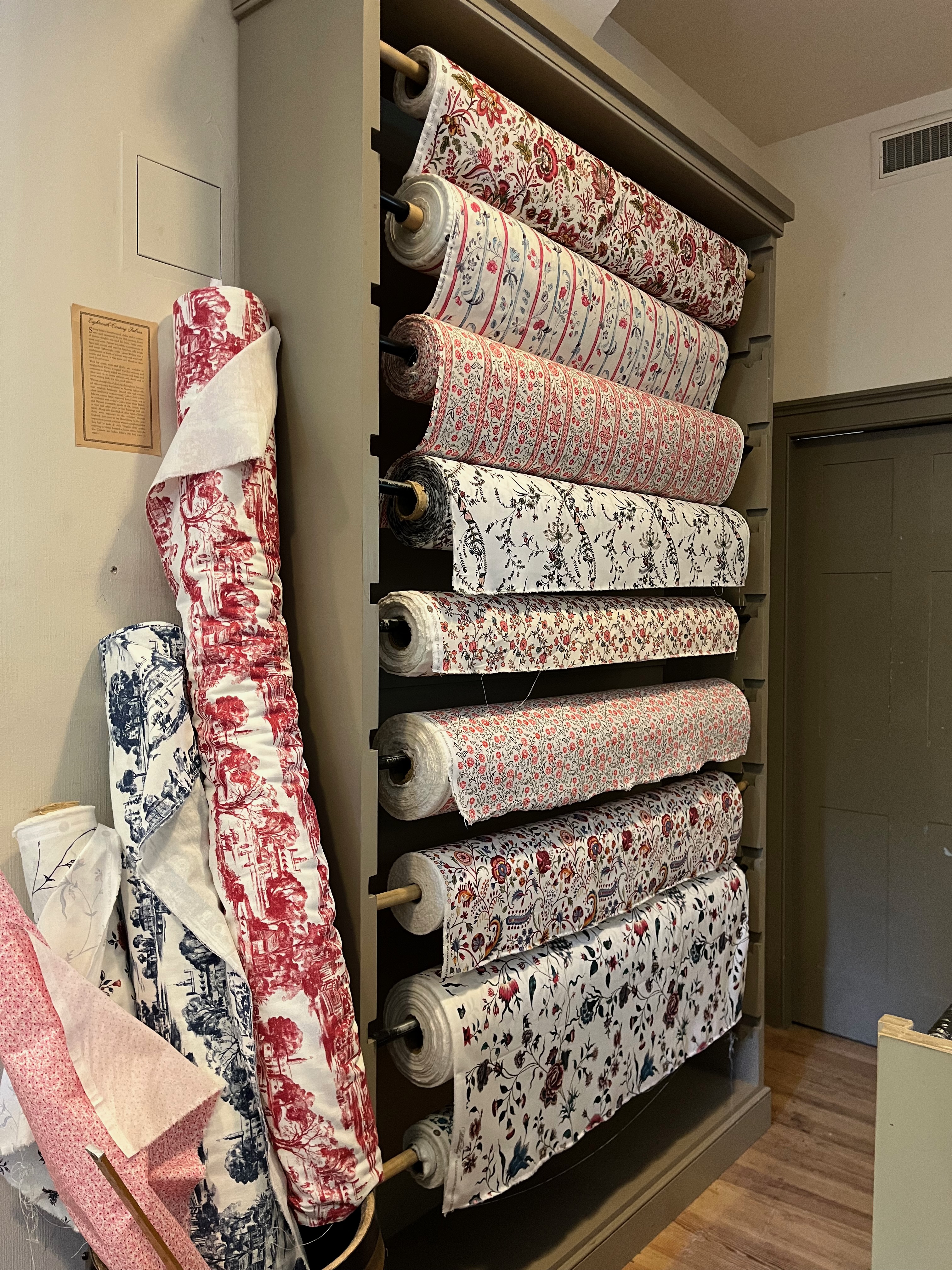
In 1769, residents of Williamsburg attended a ball in honor of the English governor. One hundred women wore homespun gowns instead of the more fashionable silk to protest taxes on imported goods. They refused to wear imported clothing or gowns made with imported cloth.
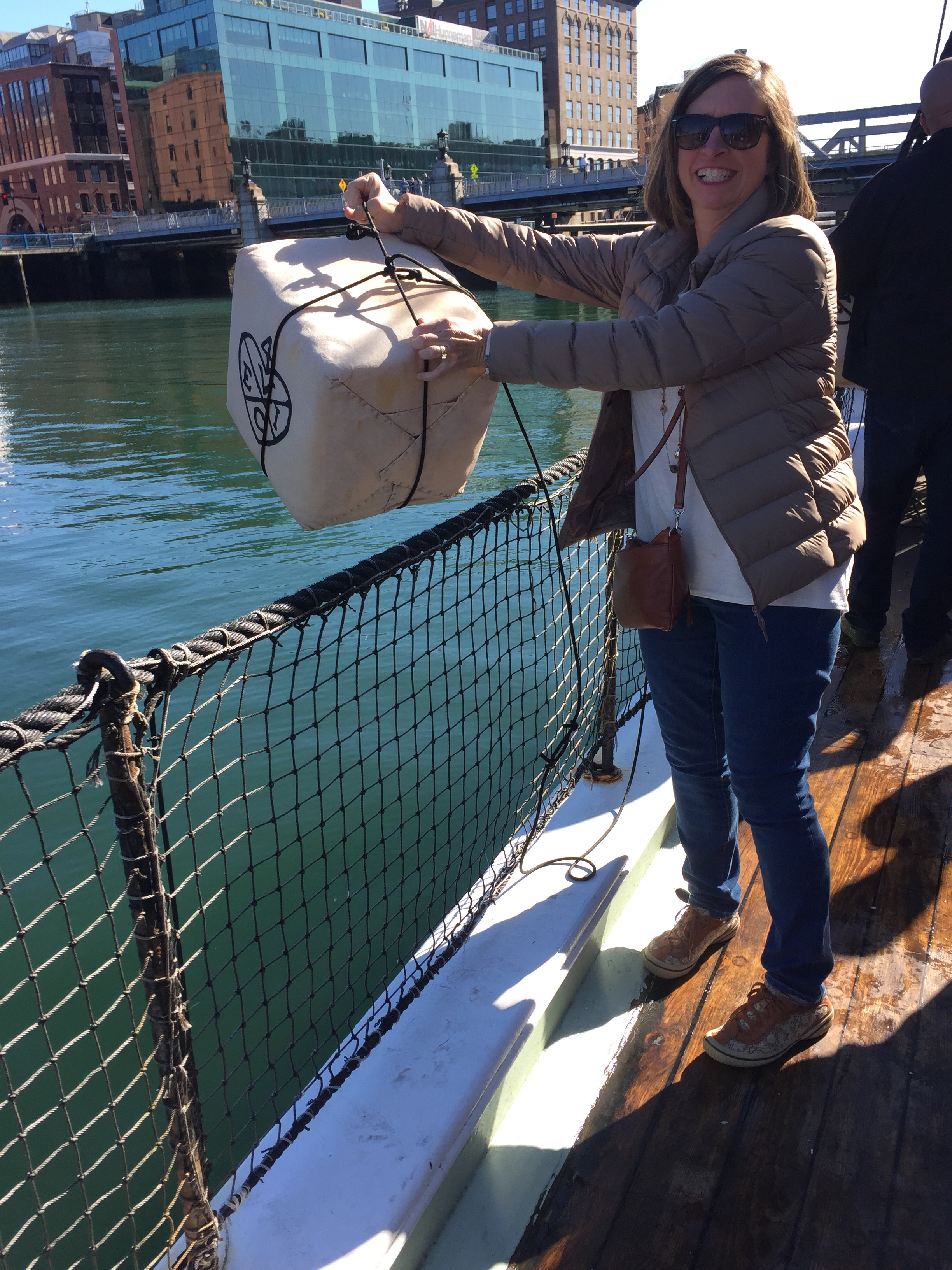
On May 24, 1774, the House of Burgesses passed a resolution to support the city and residents of Boston following the Boston Tea Party and Parliament’s levying the Coercive Acts as punishment, and called for a “Day of Fasting, Humiliation and Prayer” at the Bruton Parish Church, which took place on June 1. In response, Royal Governor Dunmore dissolved the General Assembly and the House of Burgesses and relieved the members of their duties. He made it illegal for them to assemble.
The patriots began meeting “extralegally” at Raleigh Tavern to discuss the growing tension between England and its colonies. Our interpreter at the recreated Raleigh Tavern explained that the men risked treason charges from the English crown for these meetings. The Virginia Assembly called for Committees of Correspondence for communicating between the 13 colonies—unity between the colonies was crucial to preserving rights. Virginia’s House of Burgesses called for a Continental Congress with representatives of all the colonies.
Both actions would be treasonous.
The interpreter did an excellent job conveying the gravity of the situation. Loyalists were living throughout the colonies, including in Williamsburg. There were spies. The patriots were taking significant risks to their lives and livelihoods to go up against the power of England. But they did. They stood strong and fought for what they believed in.
“We must all hang together, or assuredly we will hang separately.” Benjamin Franklin, 1776.
“I only regret that I have but one life to lose for my country.” Nathan Hale, 1776.
But not everyone living in the colonies joined with the patriots. Many, loyal to the crown, boarded ships and sailed back to England. The idea of freedom from England was not their cup of tea.
Things That Make You Think
It’s so easy to look at history and see it as simply a series of events, dates on a calendar. It can seem very two-dimensional. When you immerse yourself in a historical setting, you put yourself into that time period, and the characters become very real. Patrick Henry’s declaration of “Give me liberty or give me death” wasn’t just some catchy phrase he came up with. He, as well as the other patriots, knew that what they were attempting was very dangerous and might cost them a great deal. They didn’t take it lightly. They had to count the cost.
As I thought about all we learned at Colonial Williamsburg, I remembered some verses from the Bible. In Luke 14:28-33, there is an account of Jesus speaking to a crowd of people at a dinner, telling them to count the cost of being one of his followers. The passage is pretty strong, sobering. He reminds them (and us) that there is a cost to following him. There are sacrifices. But the reward, eternity with him, will be worth it.
“For which of you, desiring to build a tower, does not first sit down and count the cost, whether he has enough to complete it?” Luke 14:28
And like the Loyalists, who decided the security of England was more to their liking, many will consider the cost of following Christ too high. I hope that is not you. I hope it is not me.

Happy 250th Birthday, America!
Thanks to the brave men and women who counted the cost all those years ago!
Information for this post from:
Katherine Gruber, Williamsburg during the Colonial Period, Encyclopedia of Virginia, American Battlefield Trust, Colonial Williamsburg.com


